
NALCAB 2026 National Conference · San Antonio, TX · September 15–17, 2026
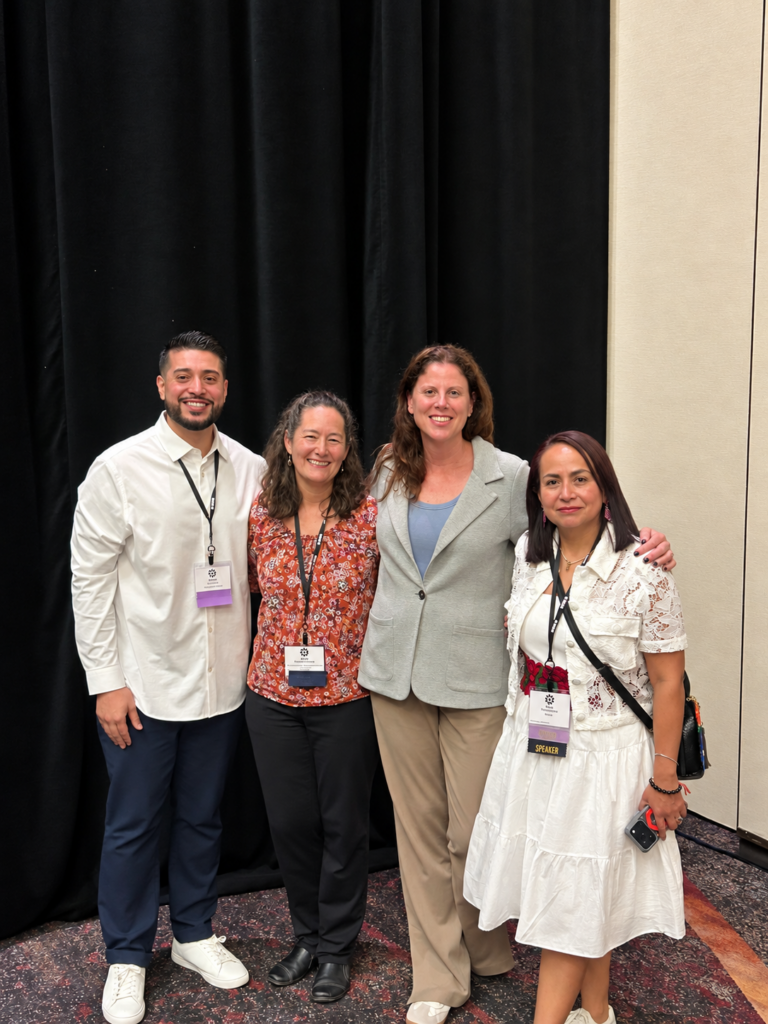
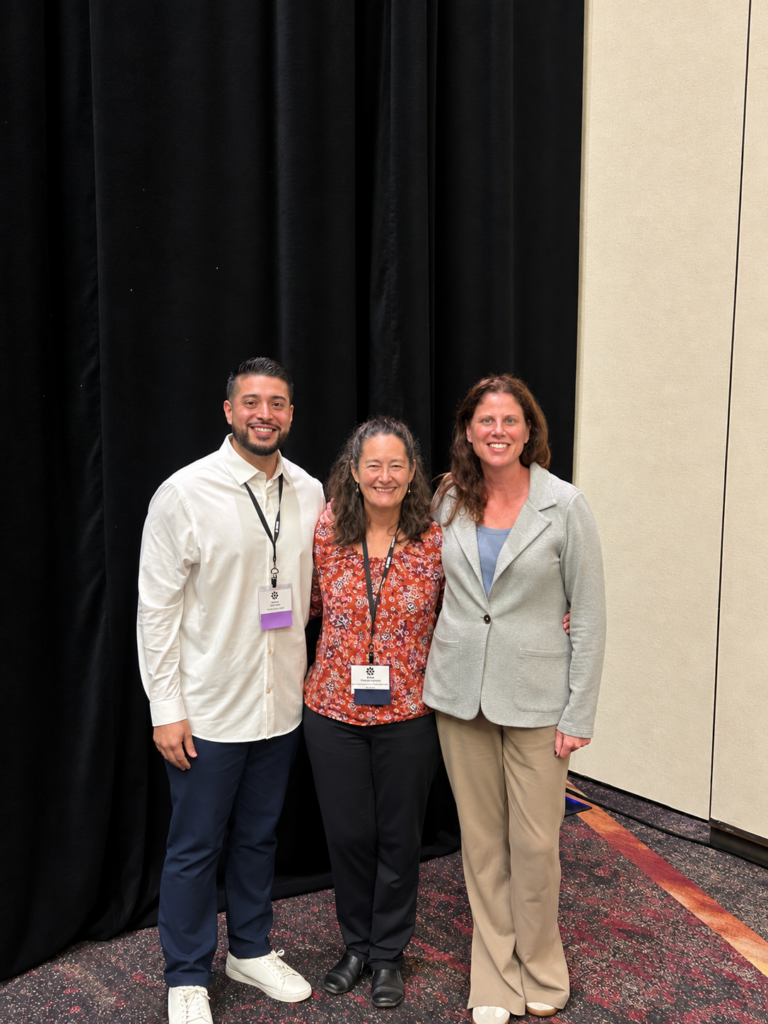
NALCAB, the National Association for Latino Community Asset Builders, is a national network of community development organizations working to build wealth and economic mobility in Latino communities across the country. Each year, its National Conference brings the CDFI field together to trade notes on that work. At the 2026 edition in San Antonio, held September 15 to 17, Ascendus COO Ana Hammock joined a panel built around one of the field’s hardest ongoing questions: how to price a loan so it is affordable enough to reach an underserved entrepreneur and sustaining enough to keep the institution able to serve the next one. She was joined on the panel by Daniel Fernandez of TMC Community Capital and Sheri Flanigan-Vazquez of Justine PETERSEN, with Brenda Lozano of NALCAB moderating, with Nelly Rojas-Moreno, CFO of NALCAB, also present at the session.
One decision, not two
The panel’s conversation focused on a question that is highly relevant for the CDFI sector right now: how to maintain affordability for the entrepreneurs a CDFI serves while pricing lending products in a way that supports the institution’s long-term financial sustainability. Affordability and sustainability are not two separate goals to weigh against each other. They are one pricing decision.
The answer starts with understanding the true cost of delivering a loan. Underpricing carries real risk, even when the motivation behind it is mission driven. Price has to be weighed as one decision, together with credit risk, cost of capital, operating cost, and expected losses.
The cost that shows up after the loan closes
CDFIs often do not cost loans appropriately once they close: the tail of a loan is what costs the institution money. For a term loan, that tail can run three to five years. For a line of credit, it can run indefinitely. The value of post loan technical assistance is high: CDFIs see proven results from administering strong TA and portfolio management. As the federal government has moved away from funding that work, the panel’s question was direct: can the prices CDFIs charge today still afford to deliver it.
Planning for the harder scenario
Given the economy and the difficulty many CDFIs are seeing in fundraising from traditional partners, the panel had an active discussion around scenario planning: when does a CDFI start developing a plan B, if its budget is not on track to break even on its current course.
What ties underpricing, the servicing tail, and scenario planning together is the same discipline: treating price as one decision made in full, not three decisions made separately under pressure. That discipline, more than any single number, is what keeps a CDFI able to keep saying yes to the next entrepreneur.
This Way Up.


