Getting Ready to Grow: what small capital can do when coaching comes with it
By Ascendus | Hosted with MetLife Foundation | Research by the Urban Institute.
Published: September 2026
About the conversation
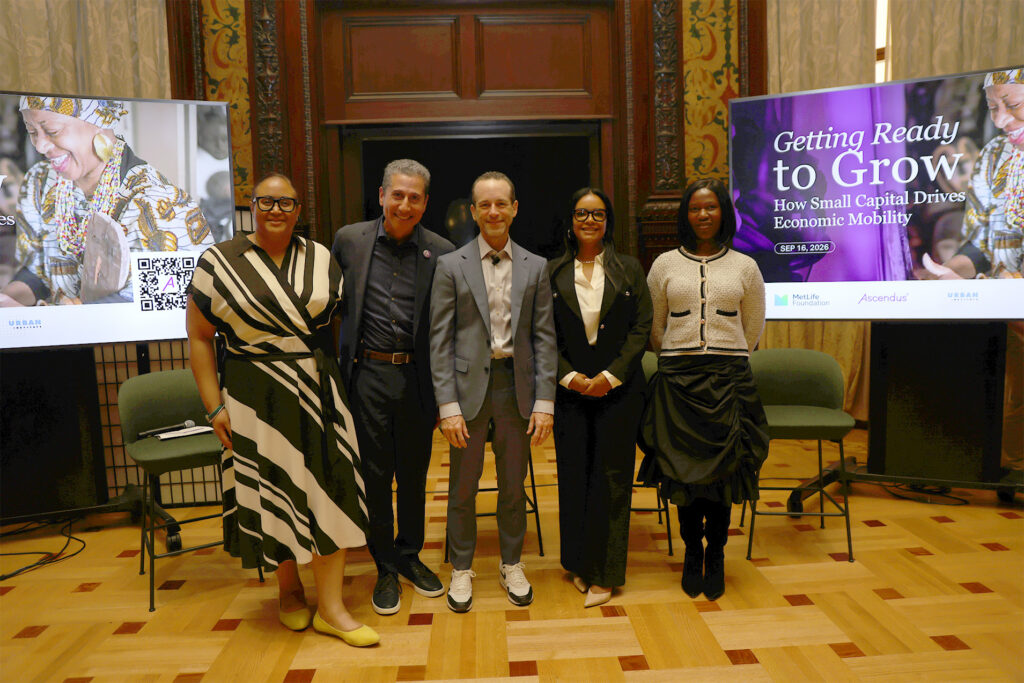
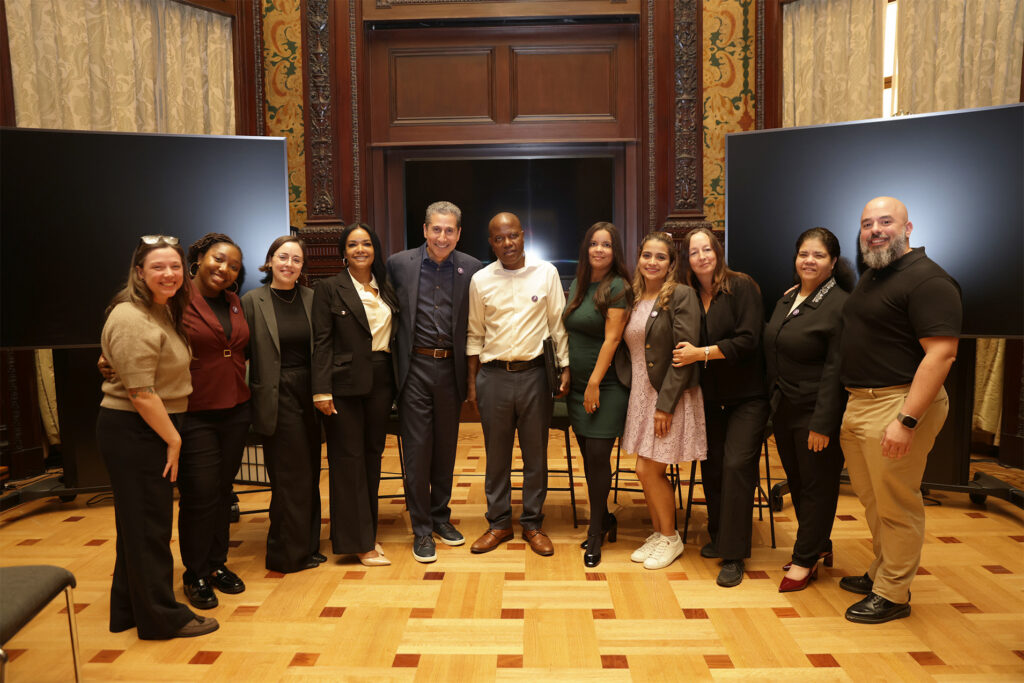
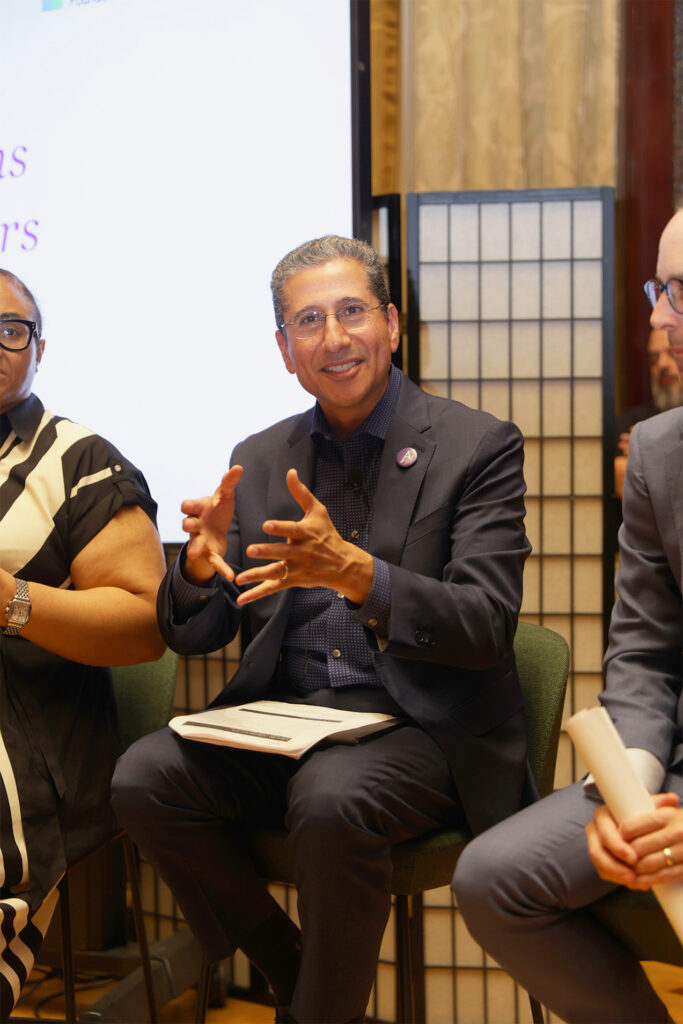
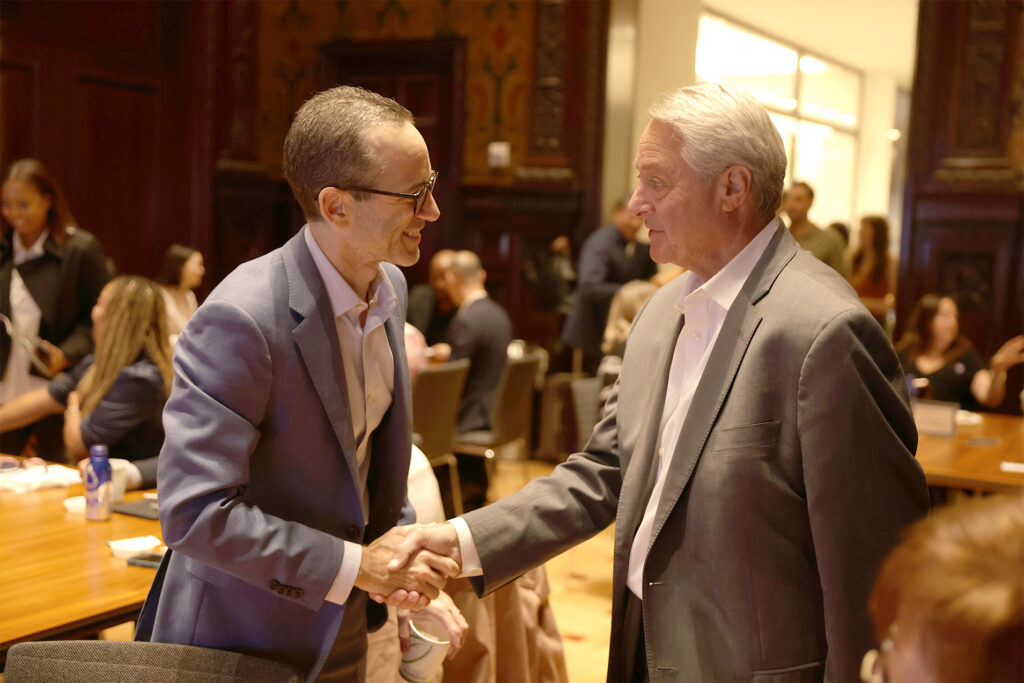
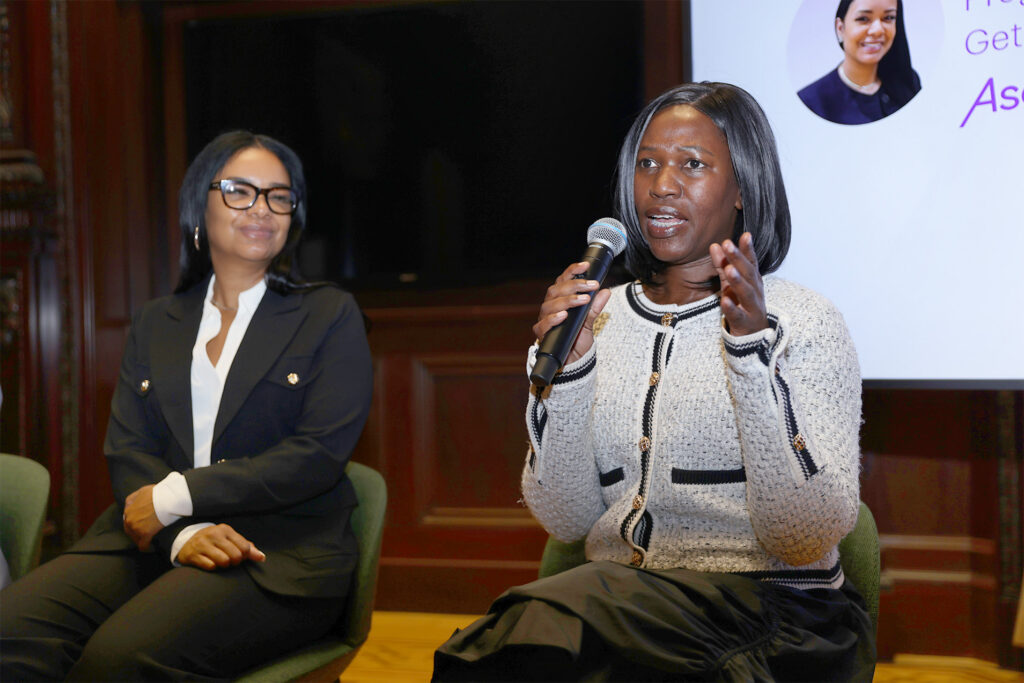
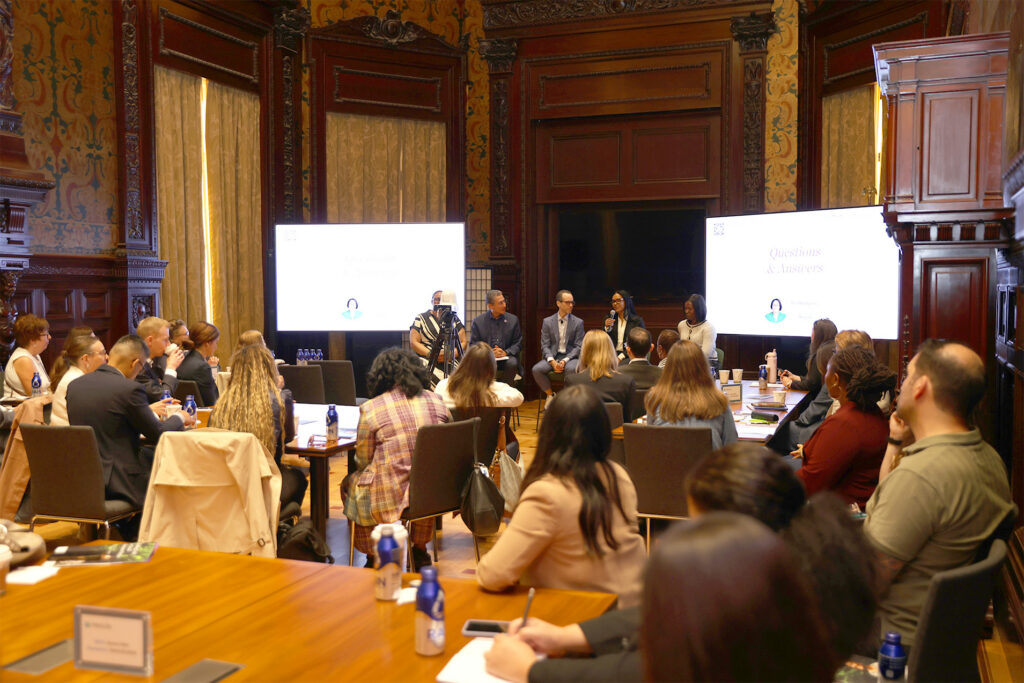
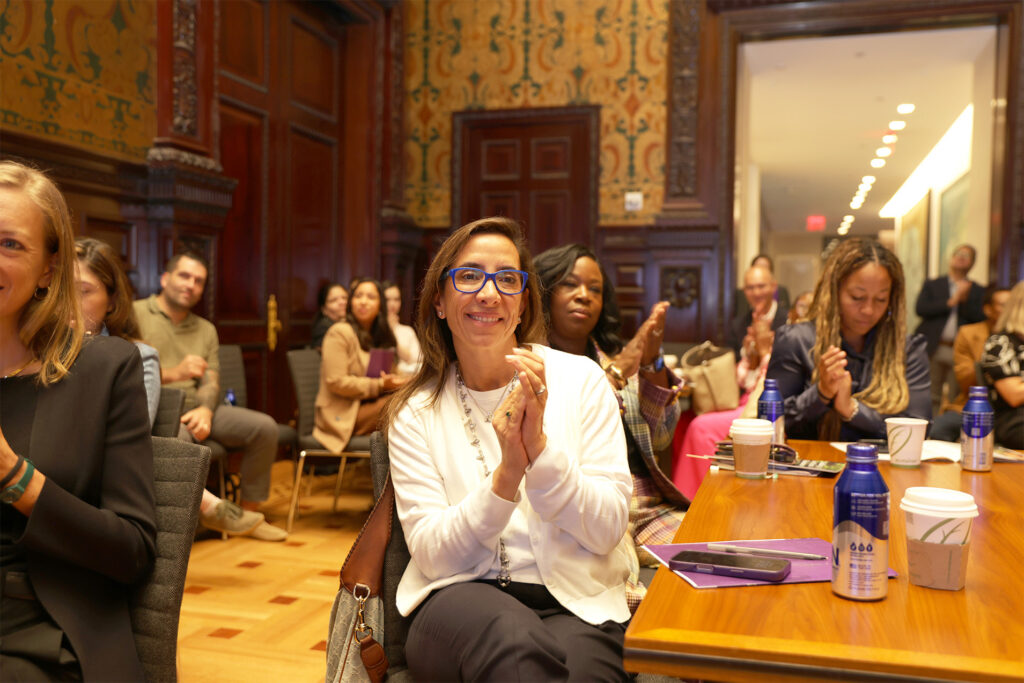
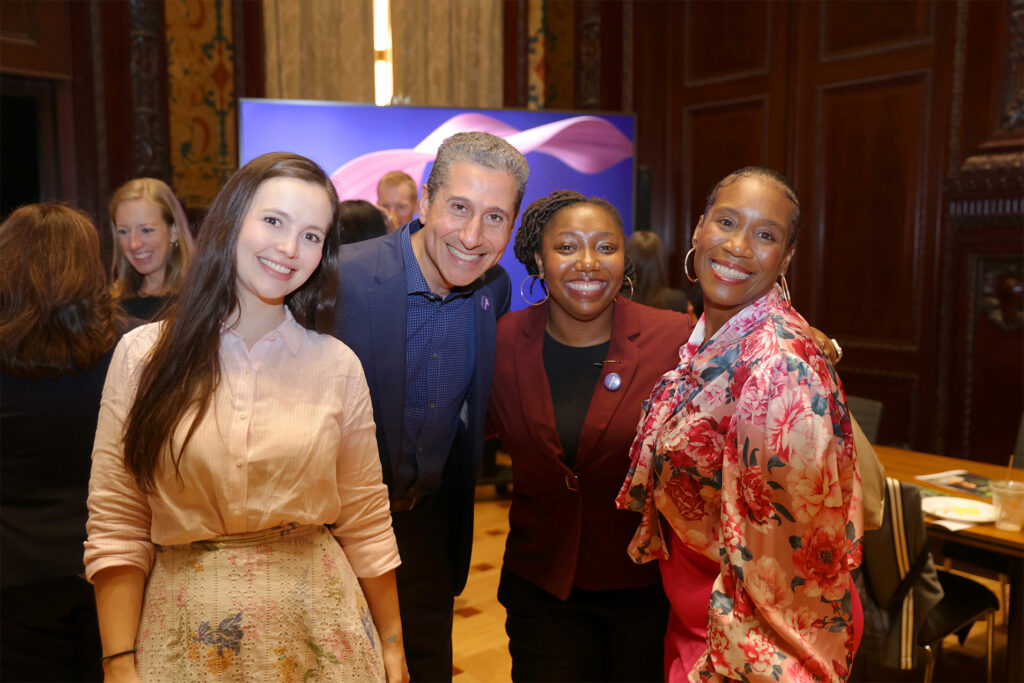
On September 16, 2026, we filled a room at the MetLife Building in New York with funders, lenders and small business owners. One question held the hour: what can a $500 line of credit do when coaching comes with it?
Get Ready pairs a small revolving line of credit with three months of one on one coaching. No FICO minimum. The line reports to the credit bureaus, and it grows when the owner meets the marks. The morning was about what that has produced so far, told by the people closest to it and measured by someone independent.
Why this matters
Every lending system has a filter. The question is what happens to the owners it screens out, the ones who already have the customers and the discipline and are missing only the capital.
Get Ready starts from the other end. Capital first, support alongside it, and proof that the two together move something a score alone cannot.
- Mobility does not start with capital. It starts with access.
- Readiness is not granted. It is built.
- A credit score tracks behavior. It does not create the conditions for behavior to change.
What we heard
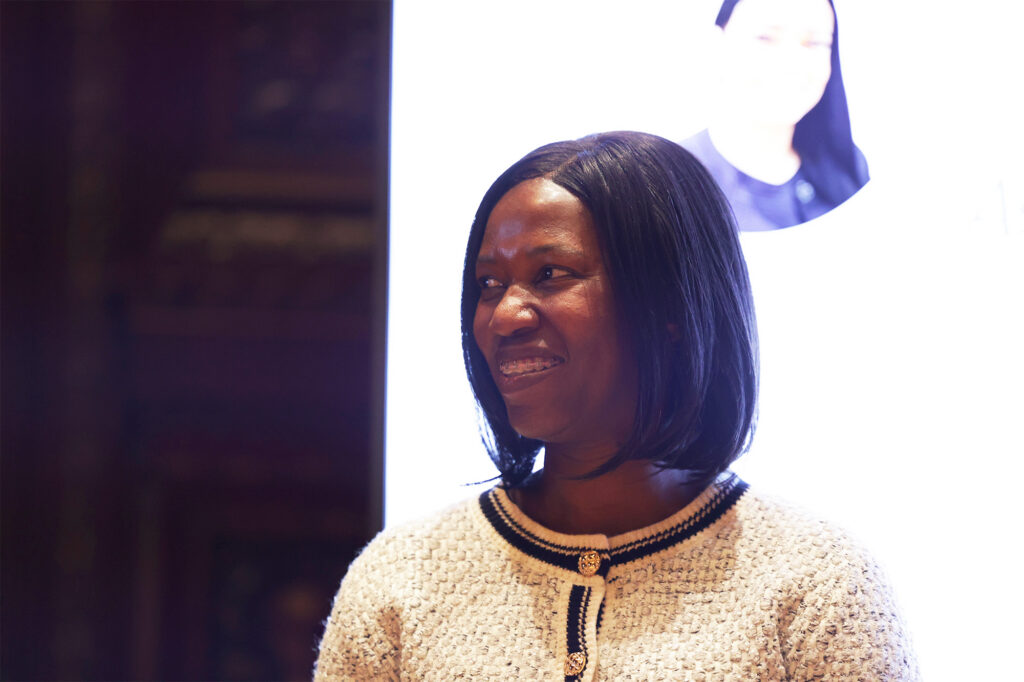
A founder who already had the customers. Gisele Eboma founded Surfing Queen out of the ocean and the Congo she grew up in. She had the designs and the buyers. She started with a $500 line and three months of coaching. The line became $5,000, the collection went into production, and her next build is a classroom in a remote part of the Congo.
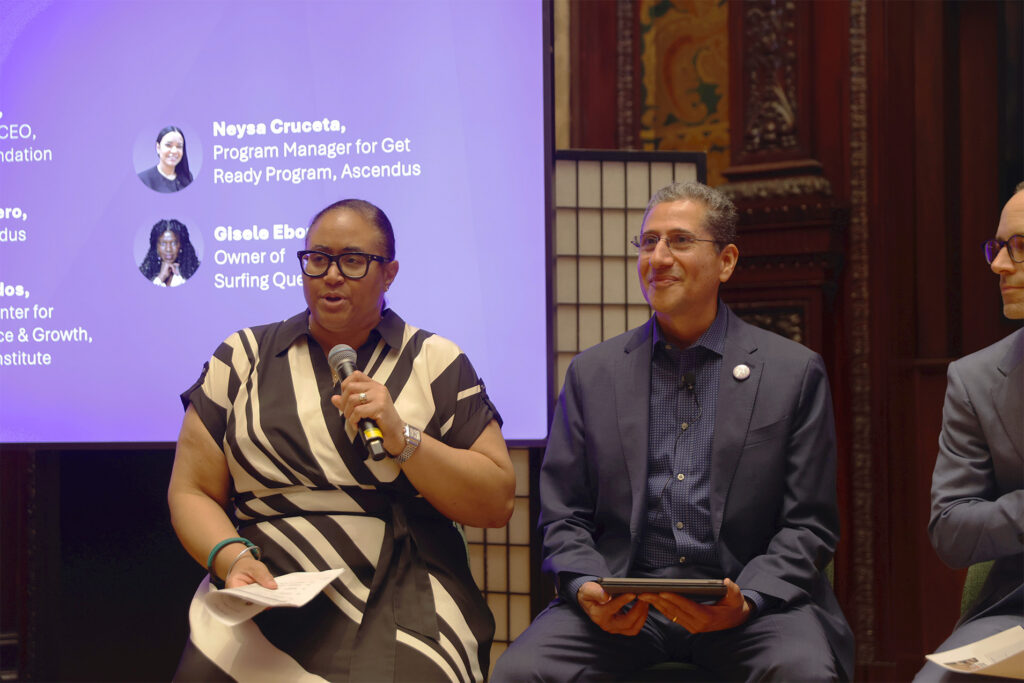
Scores move, and they move most where they started lowest. Brett Theodos of the Urban Institute presented where the study stands. Owners arrive at a median credit score of 566, below the threshold most CDFI lenders use. A year in, scores are up about 15 points at the median. Past due debt is down by about half.
The claim is being tested, not asserted. To say that debt is the solution for people managing debt is a bold statement, and that is precisely why the program is studied rather than described.
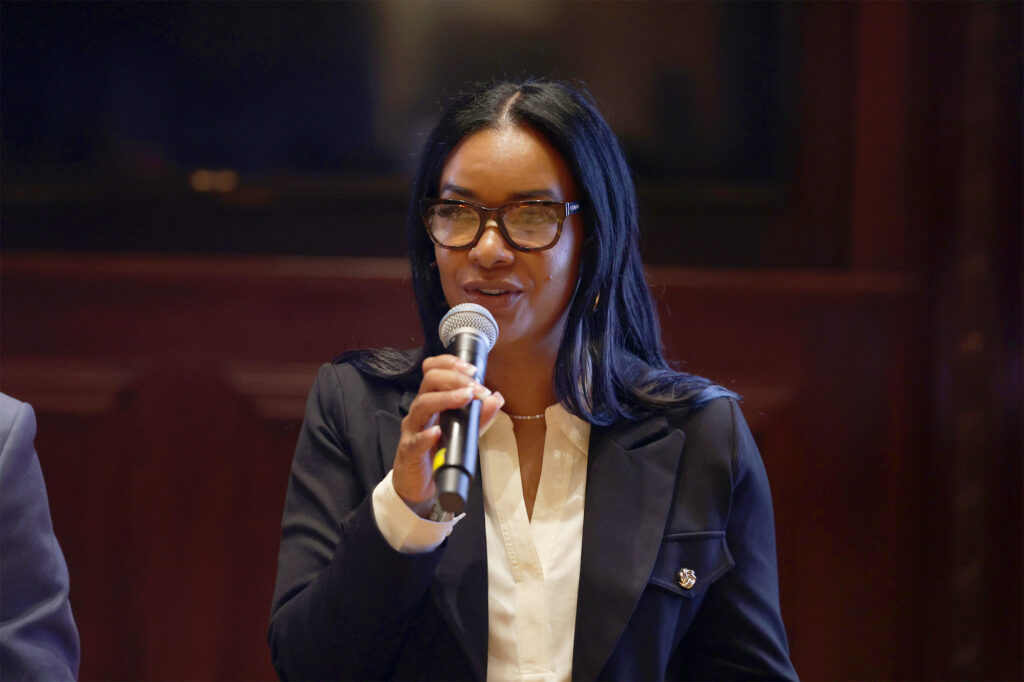
Coaching is what the score cannot see. What Neysa sees when she meets a client is the person behind the number: coachable, accountable, ready to act on a plan she helps them write.
How we know
We partnered with the Urban Institute in 2023, when the pilot launched, to study the program independently. The research combines credit and program data with borrower interviews, so the findings carry both the outcome and the experience behind it. You can read the first research brief from October 2025.
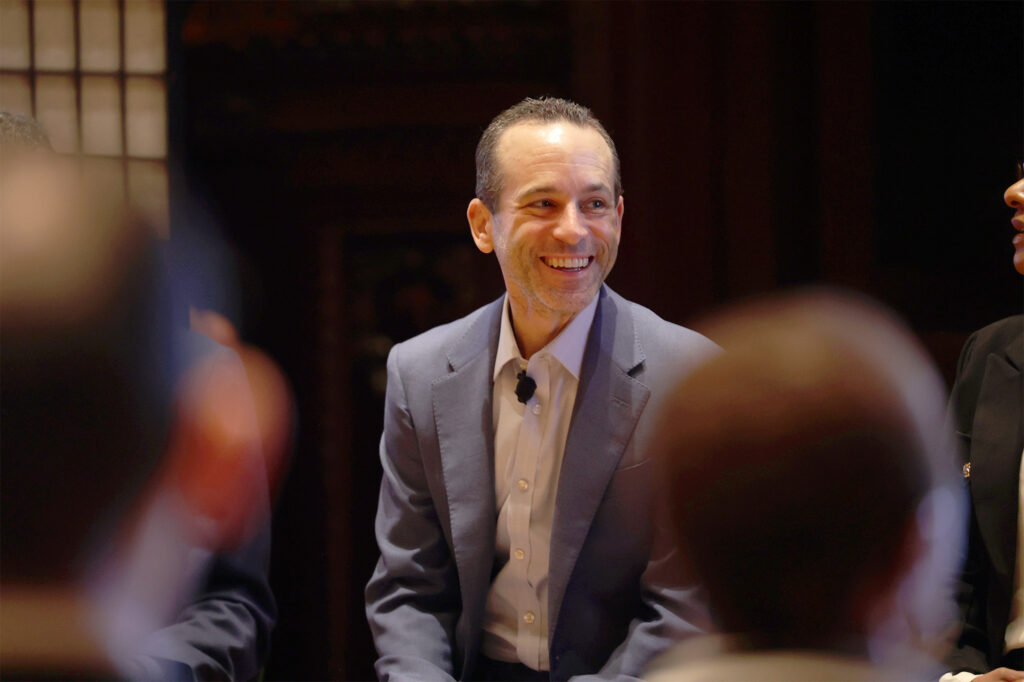
MetLife Foundation funded the pilot and funded the study alongside it. If you are going to talk about financial health, Tia Hodges said from the stage, you have to put money on the table, and then you have to pay for someone independent to find out whether it worked. At the close of the morning, MetLife Foundation announced an investment in the next phase of Get Ready. The details follow in a separate announcement.
What comes next
The Urban Institute’s fuller findings arrive in December 2026. They reach our newsletter first.